
Introduction
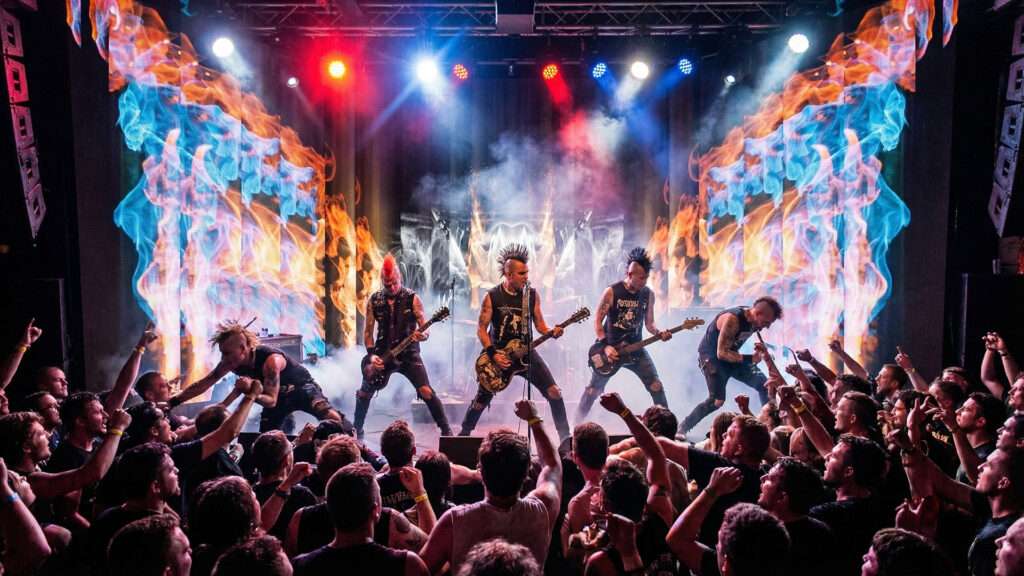
Modern rock and metal performances rely heavily on visual technology to enhance the atmosphere, intensify the energy, and amplify the storytelling behind every track. From massive festival stages to compact club venues, musicians now integrate high-impact stage video content, rock visuals, metal visuals, gothic visuals, and VJ loops for rock bands to create distinctive and immersive environments.
Two of the most widely used technologies—LED screens and projection mapping—offer unique advantages for shaping the visual language of a concert. Understanding the differences between them is essential for bands, VJs, touring crews, and stage designers who want to build a strong motion identity and deliver unforgettable performances.This guide compares both technologies through a rock-centric perspective, covering performance quality, technical setups, creative flexibility, and best applications within the rock and metal scene.
LED Screens: Power, Impact & Reliability
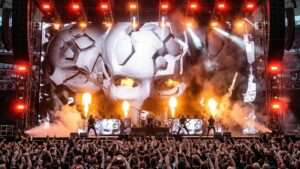
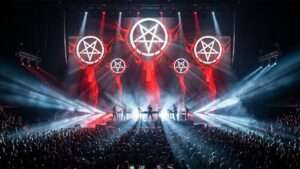
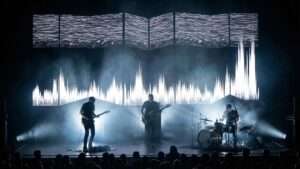
LED screens have become the dominant standard for modern rock shows. Their brightness, contrast, and modular design allow them to perform consistently across any environment—from outdoor metal festivals to underground venues filled with smoke, strobe lighting, and pyro effects.

01. Reliability in Live Environments
LED panels handle vibrations, high SPL levels, temperature changes, and long touring cycles. They are the most predictable and stable option for large-scale shows.
02. Modular Construction
Panels can be stacked, curved, flown, or arranged into custom configurations. This gives stage designers the flexibility to build massive back walls, vertical towers, ceiling grids, or fragmented shapes that enhance the band’s motion identity.
03. High Resolution & Deep Blacks
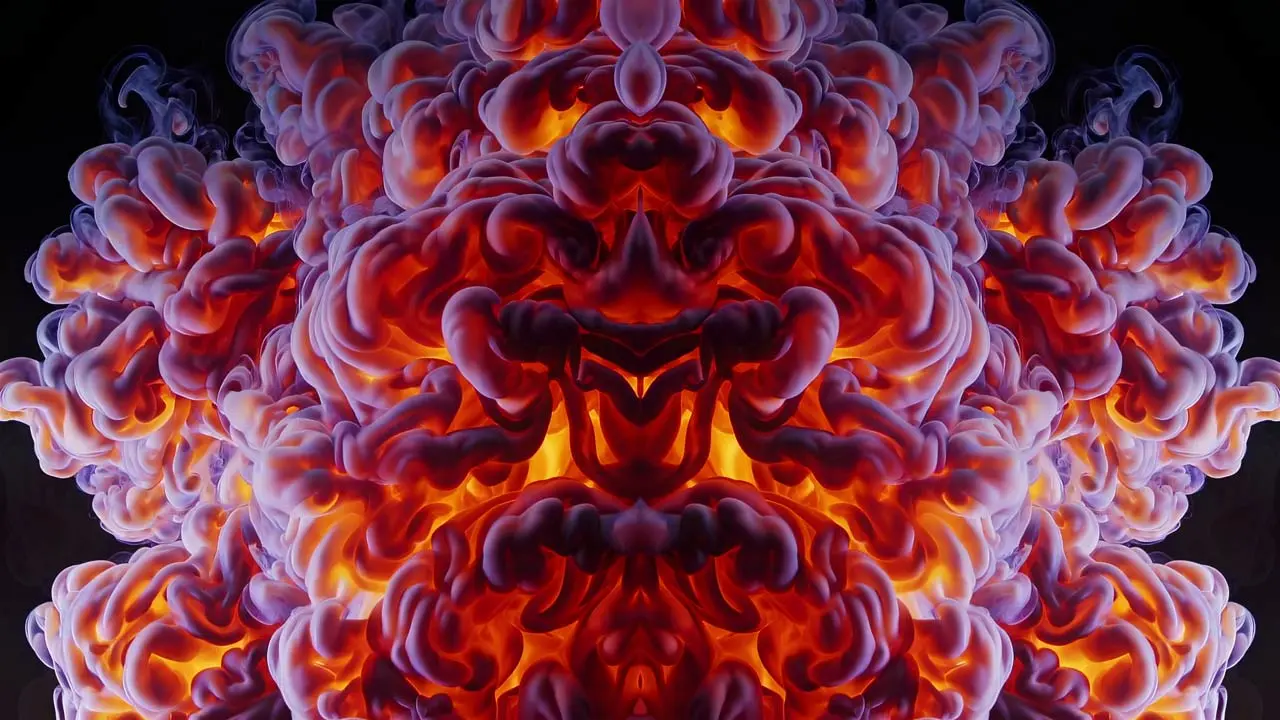
Modern LED walls support 4K playback with strong contrast ratios and true black, essential for dark-optimized industrial textures, gothic visuals, and black metal environments.
04. Brightness and Visibility
LED walls cut through stage lighting, haze, sunlight, and strobes without losing clarity. The strong luminance helps rock visuals and metal motion backgrounds maintain definition even during the most intense moments of the performance.
05. Ideal for VJ Loops & Motion Backgrounds
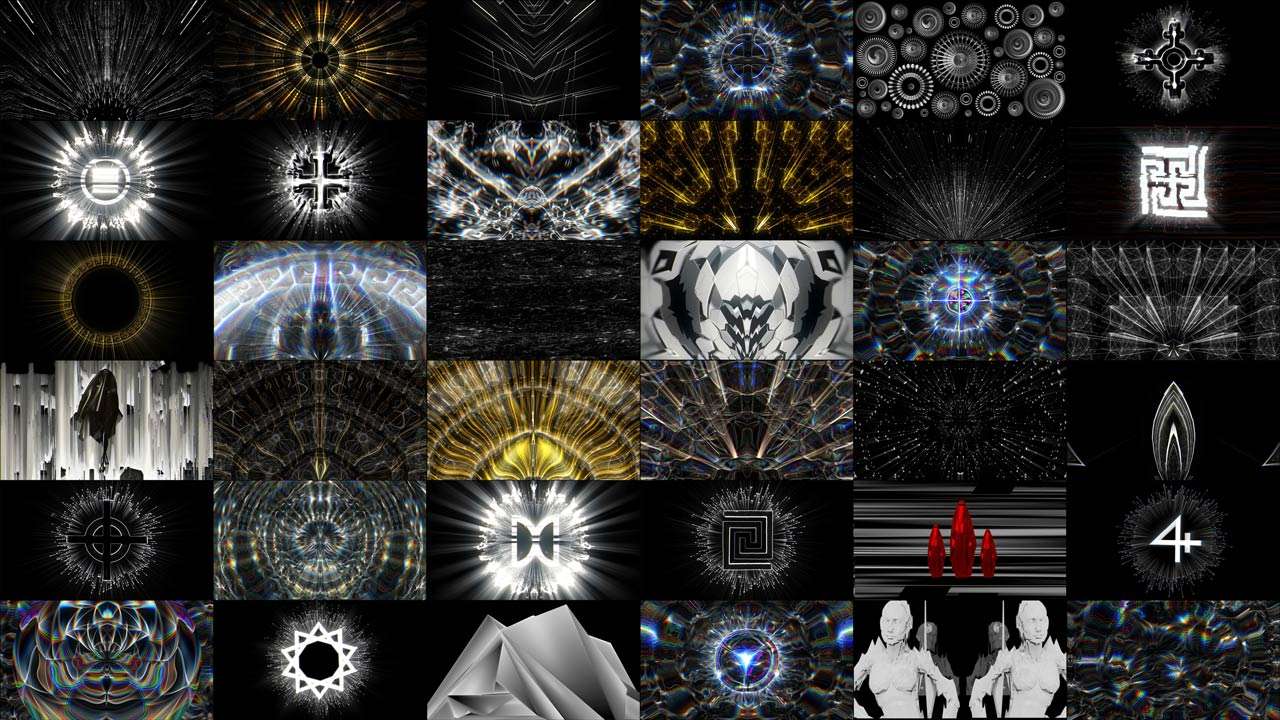
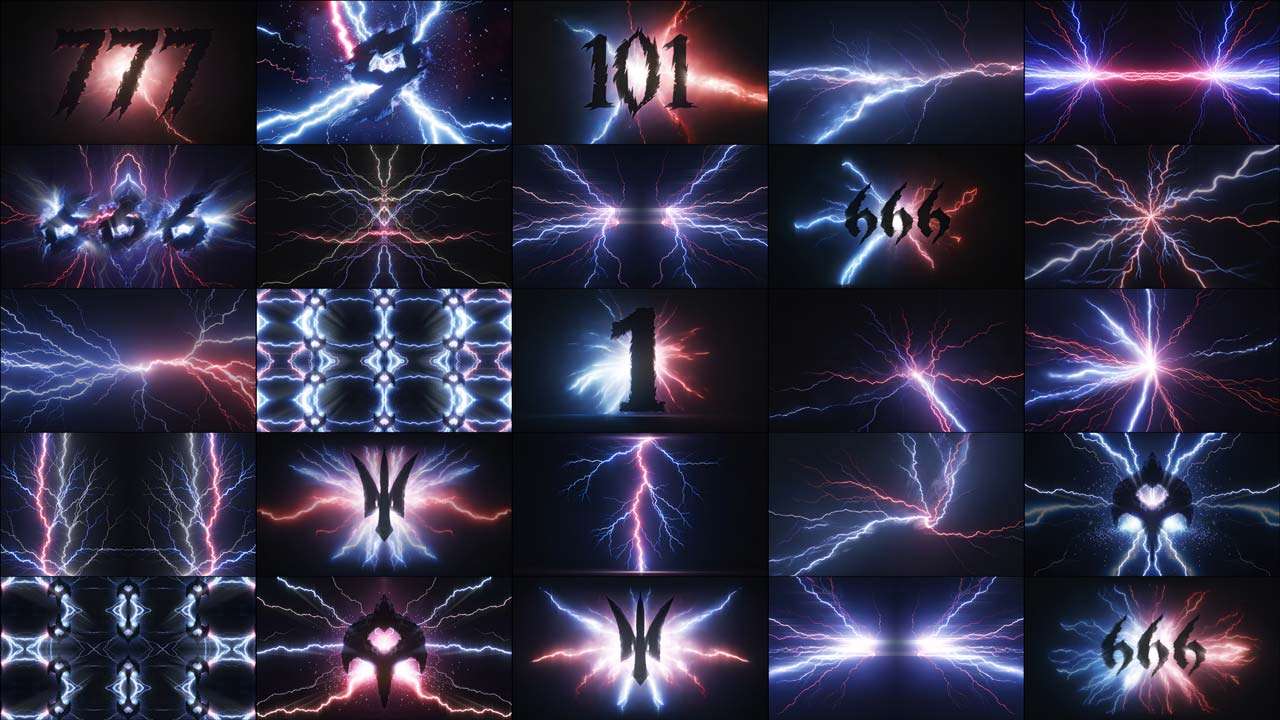
Most VJ loops for rock bands—especially those delivered in MOV ProRes 4K (3840×2160)—are created with LED screens in mind. Seamless loops, fast motion, and high-contrast elements perform exceptionally well on LED walls, ensuring sharp detail and flawless looping through media servers.
Projection Mapping: Creativity, Atmosphere & Artistic Depth
Projection mapping focuses on transforming physical objects, stage structures, or architectural surfaces into dynamic canvases. While not as bright as LED screens, it offers artistic flexibility that is unmatched by any other technology.
Advantages of Projection Mapping
1. Sculptural Visuals & 3D Illusions
Projection mapping allows artists to “wrap” visuals around objects such as amplifiers, drum risers, stage props, sculptures, or set pieces. This creates a unique 3D illusion that LED walls cannot reproduce.
2. Perfect for Thematic Rock Shows
Gothic, industrial, pagan, or conceptual rock performances often rely on symbolic elements and storytelling. Mapping visuals onto statues, ruins, monoliths, or stylized stage décor can elevate the mood and deepen emotional impact.
3. Lightweight & Flexible Installations
Projectors allow for creative placement without the need for heavy rigging. Touring bands with limited logistics sometimes choose projection setups for compact venues.
4. Atmospheric Look
Projection produces a softer, more cinematic look—ideal for gothic visuals, ambient metal, and atmospheric segments of the setlist. It blends seamlessly with fog, lasers, and low-light scenes, creating immersive environments.
-
Techno Wolf – Video Art Footage Collection Vol.9
29.00€ -
Skull Dominion – Video Art Footage Collection Vol.6
59.00€ -
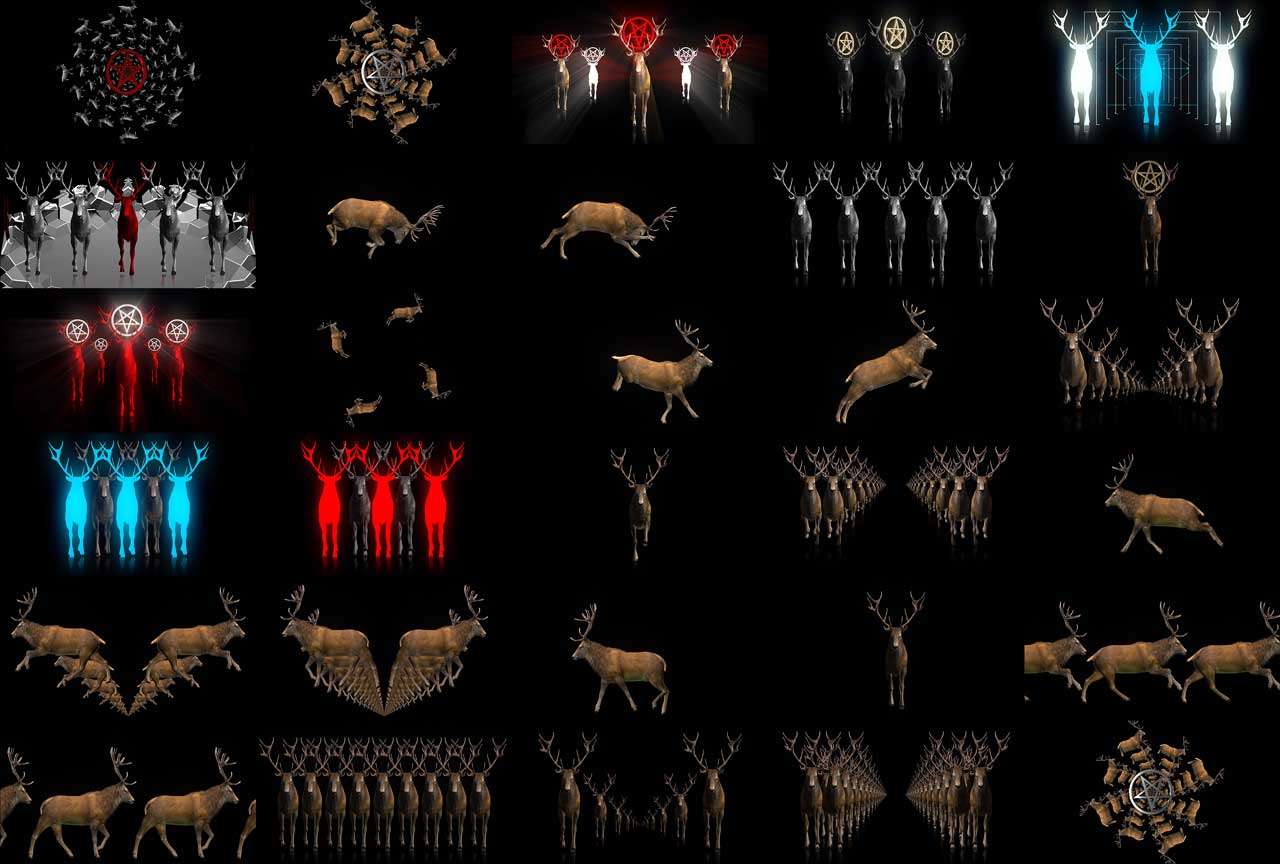
Ritual Stag – Video Art Footage Collection Vol.7
59.00€ -
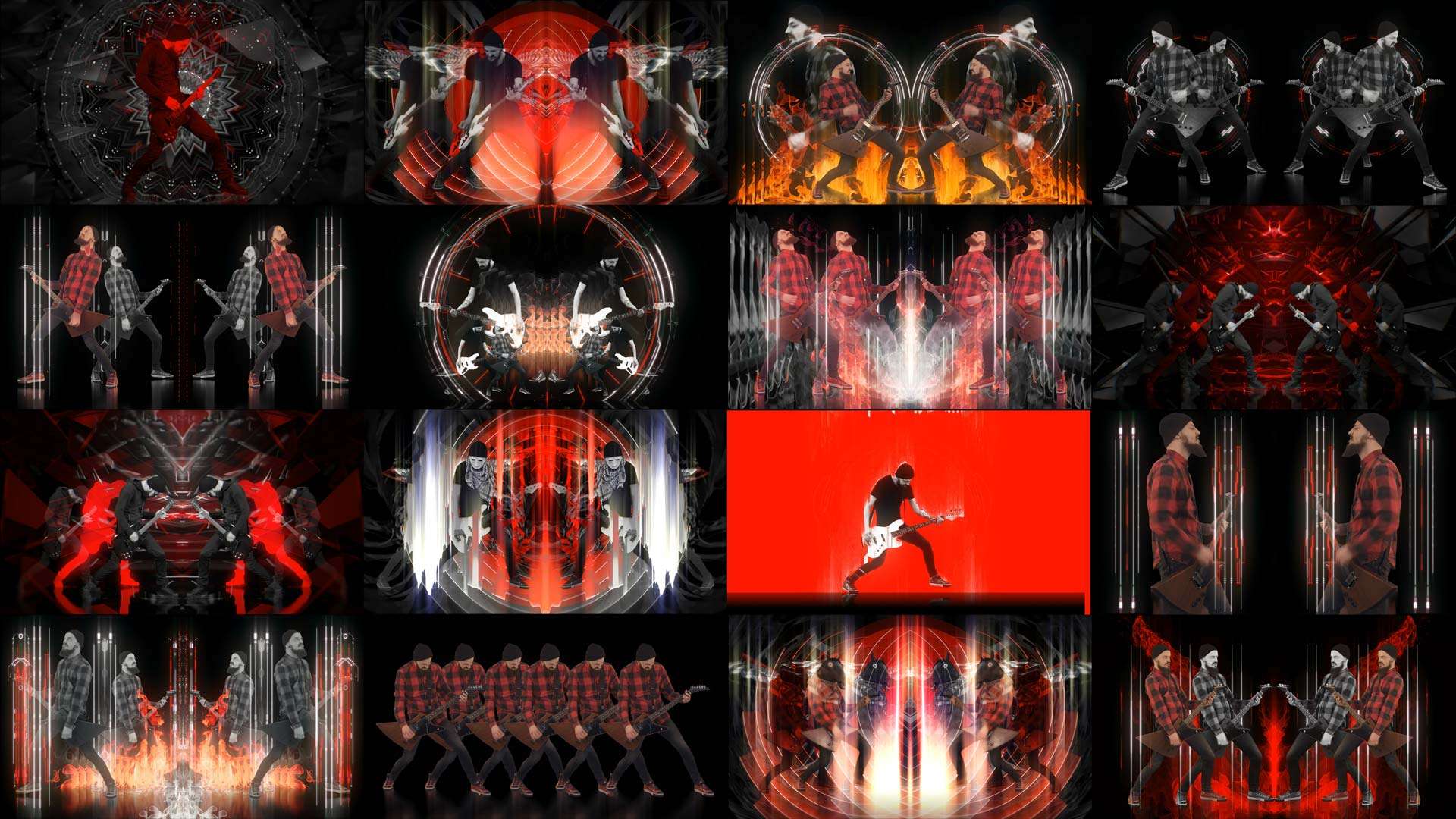
Red Rocker – Video Art Footage Visuals Collection Vol.1
59.00€ -
Obsidian Occult – Video Art Footage Collection Vol.8
59.00€ -
Lightning Stones – Video Art Footage Collection Vol.5
59.00€ -
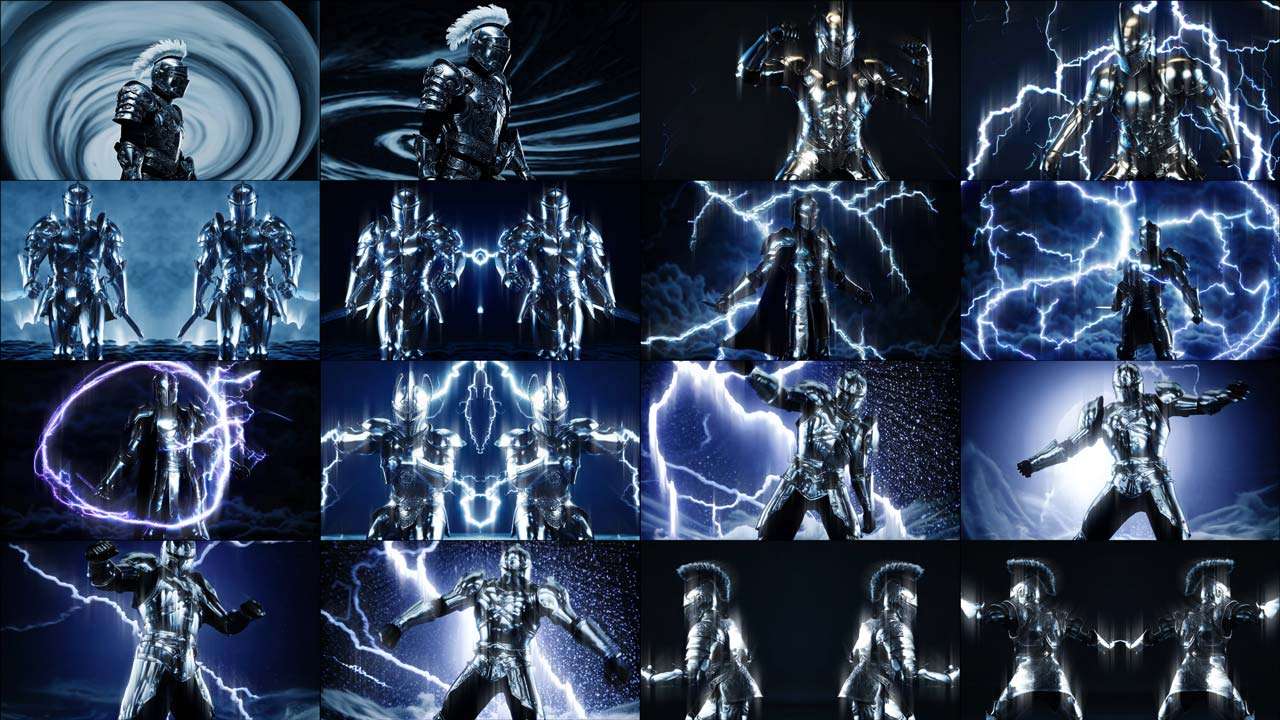
Knight Distortion – Video Art Footage Collection Vol.12
39.00€ -
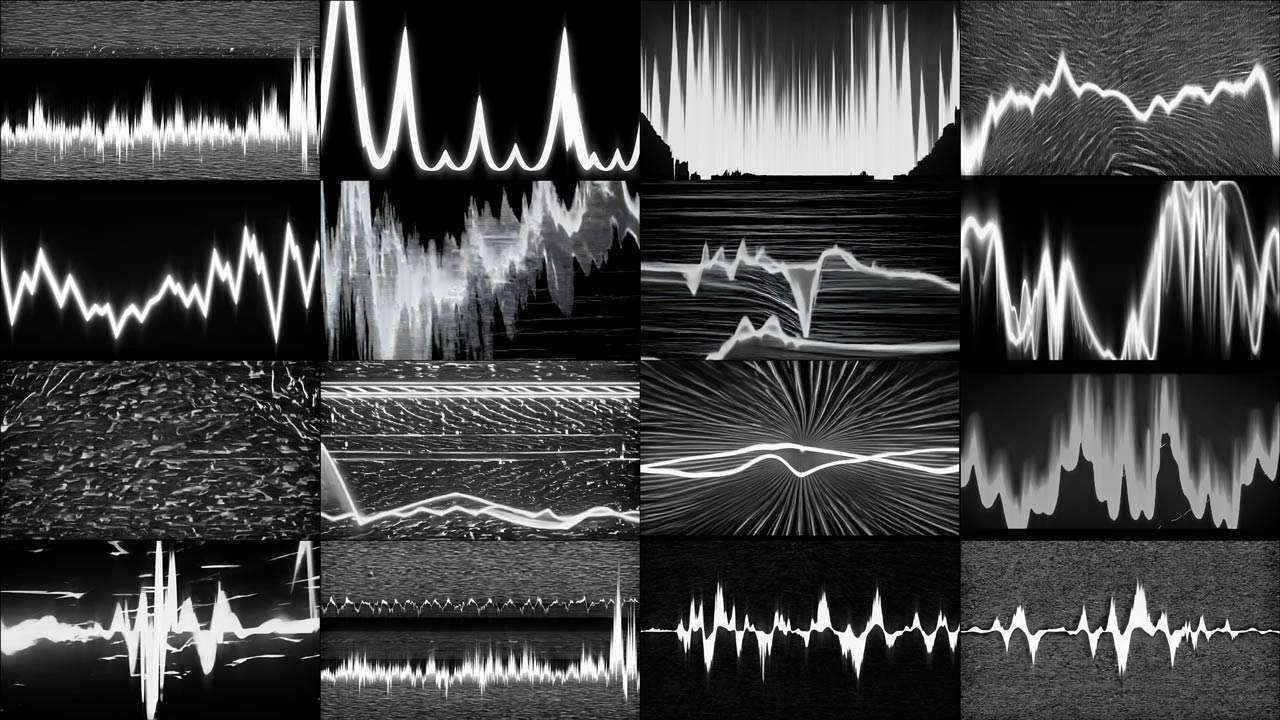
Grunge Soundwaves – Video Art Footage Collection Vol.10
29.00€
Technical Comparison: LED vs. Projection
When selecting a visual delivery system for a rock or metal concert, the technical differences between LED screens and projection mapping define not only image quality but also creative flexibility, stage design options, touring logistics, and long-term budget considerations. Both technologies can produce high-impact visuals, but they operate on fundamentally different principles—and this affects every detail from brightness to color accuracy to the physical footprint on stage.
1. Brightness & Visibility
LED panels inherently produce light, offering extremely high brightness levels that cut through even the most intense stage lighting, strobes, pyro, and smoke. This makes LED the dominant choice for outdoor festivals and large arenas, where daylight or ambient lighting would wash out projection instantly. Projection systems, by contrast, rely on reflected light, making them vulnerable to light spill from spotlights or lasers. Even high-lumen projectors struggle against aggressive rock-stage lighting rigs.
2. Color Accuracy & Contrast
LED walls deliver deeper blacks because each pixel can switch off completely. This improves contrast, saturation, and readability of metal and rock aesthetics—particularly visuals involving fire, chrome textures, glitch artifacts, or high-contrast gothic palettes. Projection mapping often results in elevated black levels due to surface reflection, which can make dark visuals look washed out or grayish. For bright, saturated looks, projection can still be effective, but it rarely matches LED in pure color fidelity.
3. Resolution & Detail
Modern LED screens reach pixel pitches of 1.5–4 mm, producing ultra-sharp, high-definition imagery—especially important for detailed 3D animation, typography, logos, or complex motion elements. Projection resolution depends on the projector’s native output and the distance to the surface, and sharpness can degrade due to light diffusion or texture of the projection surface. For technical visuals like HUDs, glitch interfaces, or precise motion graphics synced to guitar solos, LED provides superior clarity.
4. Setup, Alignment & Calibration
LED systems are modular and straightforward to assemble: panels lock together, structure is leveled, and the content loads directly onto the media server. Once installed, LED requires minimal calibration aside from color balancing. Projection mapping, however, demands precise geometry correction, warping, and surface-specific mapping—especially when used on irregular stage structures or set pieces. Slight misalignment can distort visuals, so projection requires experienced operators and more load-in time.
5. Stage Footprint & Space Requirements
LED walls sit directly behind or around performers, creating vertical visual architecture without taking up extra space. Projectors require distance: they must sit far enough from the stage to cover the desired surface, or use expensive short-throw lenses. This complicates mounting, risks audience obstruction, and limits flexibility in smaller venues. In crowded rock stages packed with drum risers, amplifiers, and pyro units, LED is far easier to integrate.
6. Durability & Touring Practicality
Touring-grade LED panels are rugged, weather-resistant, and shock-tolerant—designed for fast load-ins and transport across trucks and cargo containers. Projection equipment, while powerful, is more fragile and sensitive to dust, vibration, and lens damage. For long tours, rock festivals, and outdoor shows, LED almost always wins in reliability and maintenance.
7. Creative Use Cases
LED excels in linear, high-impact stage backgrounds:
— fire walls
— metal textures
— kinetic motion
— logo animations
— synchronized breakdown effects
Projection shines in artistic or theatrical scenarios:
— mapping onto stage props
— animating irregular surfaces
— creating illusions
— narrative transitions
— environmental effects
For pure rock and metal aesthetics—focused on power, clarity, and rhythm—LED remains the industry standard. Projection becomes a tool for specific creative moments rather than the primary visual engine.

Motion identity is the visual heartbeat of a band. Every loop, every texture, every pulse should echo the music, creating a unified emotional experience for the audience.
— Alexander Kuiava
When to Choose LED Screens
LED screens are the go-to solution for most rock and metal concerts because they offer raw power, precision, and reliability—qualities that align perfectly with the aggressive, high-energy atmosphere of heavy music. Bands choose LED when they need maximum brightness that can compete with strobe-heavy lighting setups, pyro effects, and the chaotic intensity of live performance. Onstage, LED behaves like an extension of the band: sharp, bold, and unshakeable. LED is ideal when the show requires crisp, detailed visuals such as 3D industrial structures, glitch-driven effects, or sharp logo animations that must remain visible even through haze and smoke. The technology provides consistent color accuracy across the entire screen, ensuring that metallic textures, fire effects, and fast-paced motion graphics look exactly as intended.
From a practical standpoint, LED screens benefit touring bands and festivals. The modular panels assemble quickly, withstand impact, tolerate weather conditions, and maintain their brightness over long use. For modern rock shows—especially those with synchronized VJ loops, timed breakdown drops, or multi-stage visual storytelling—LED screens offer a stable foundation that delivers high-impact performance in any environment.
When to Choose Projection Mapping
Projection mapping becomes the preferred choice when creativity demands an unconventional, immersive, or theatrical visual experience. Instead of simply displaying content, projection mapping transforms physical objects—stage props, set pieces, instruments, entire backdrops—into living, breathing surfaces. This makes it ideal for artistic rock projects, concept tours, or performances where the visuals need to tell a story rather than act as a background.
Bands and visual artists choose projection mapping when they want to break free from the rectangular LED format and explore more fluid visual design. Mapping allows animations to wrap around uneven surfaces, revealing illusions such as collapsing walls, shifting shadows, pulsating sculptures, or environments that morph in real time. This technique shines during atmospheric intros, dramatic transitions, or moments in the set where the mood becomes slower, darker, and more cinematic. However, projection requires controlled light conditions and more setup time. High-quality mapping works best indoors or in partially shaded environments where the visual contrast can fully unfold. Projection is typically chosen when the creative vision outweighs the need for maximum brightness—and when the performance benefits from a more artistic, almost theatrical presentation.
“LED is about power and clarity. Projection is about atmosphere. The strongest rock shows use both to build contrast between impact and immersion.”
— Alexandr Kuiava, Visual Artist at RockVisuals
RockVisuals Perspective
From the RockVisuals standpoint, both technologies have their strengths—but they serve different artistic missions. In our experience working with rock, metal, punk, and industrial artists, LED screens are the backbone of live performance visuals. They provide the punch, clarity, and rhythmic precision necessary to match the aggressive dynamics of these genres. LED is the tool we rely on when creating VJ loops, fire sequences, glitch animations, metal-themed motion backgrounds, and dark-optimized stage content.
Projection mapping, while less commonly used in heavy music, becomes a powerful artistic element when integrated thoughtfully. We recommend it for conceptual tours, album-themed shows, and experimental performances where the band wants to introduce narrative layers or surreal visual illusions. Mapping can create unforgettable moments—transforming stage structures into moving sculptures or turning the venue itself into part of the performance.
Ultimately, our perspective is simple:
LED delivers impact. Projection delivers imagination.
The strongest shows often combine both—LED for main power, projection for atmospheric depth. At RockVisuals, we design content that adapts to both mediums, ensuring that whether the visuals appear on massive LED walls or sculpted stage pieces, they remain bold, immersive, and unmistakably rock.
-
Techno Wolf – Video Art Footage Collection Vol.9
29.00€ -
Skull Dominion – Video Art Footage Collection Vol.6
59.00€ -
Ritual Stag – Video Art Footage Collection Vol.7
59.00€ -
Red Rocker – Video Art Footage Visuals Collection Vol.1
59.00€ -
Obsidian Occult – Video Art Footage Collection Vol.8
59.00€ -
Lightning Stones – Video Art Footage Collection Vol.5
59.00€ -
Knight Distortion – Video Art Footage Collection Vol.12
39.00€ -
Grunge Soundwaves – Video Art Footage Collection Vol.10
29.00€
Conclusion
Both LED screens and projection mapping play essential roles in shaping modern rock performances. LED walls offer unmatched brightness, contrast, and reliability, while projection mapping delivers artistic freedom, sculptural possibilities, and atmospheric depth. When combined with premium stage video content, rock motion backgrounds, and metal VJ loops, these technologies help musicians craft unforgettable visual narratives. RockVisuals provides the tools musicians need to elevate their performances and define their motion identity across any stage environment.
Featured Headlines
Technology
Visual Identity Design for Underground Rock Artists
Visual Identity Design for Underground Rock Artists
Using Projection Mapping for Rock Concert Stages
Using Projection Mapping for Rock Concert Stages
Low-Budget Music Video Production Using VJ Loops
Low-Budget Music Video Production Using VJ Loops